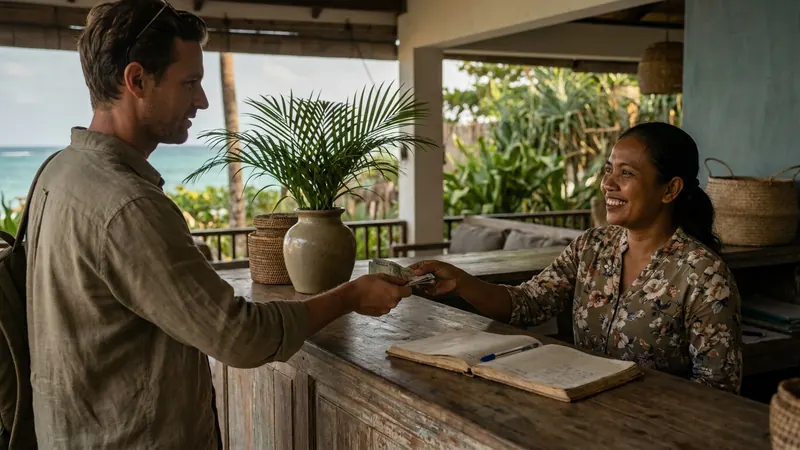
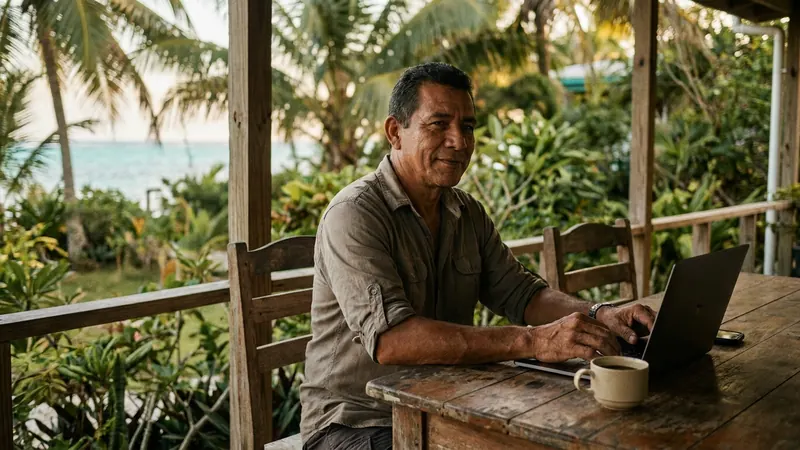
Website & booking engine
How small Belize properties use a subscriber list built from past stays to bring guests back direct, with no commission on the return visit.
Mark Noble, Direct Belize · 9 November 2026 · 5 min read
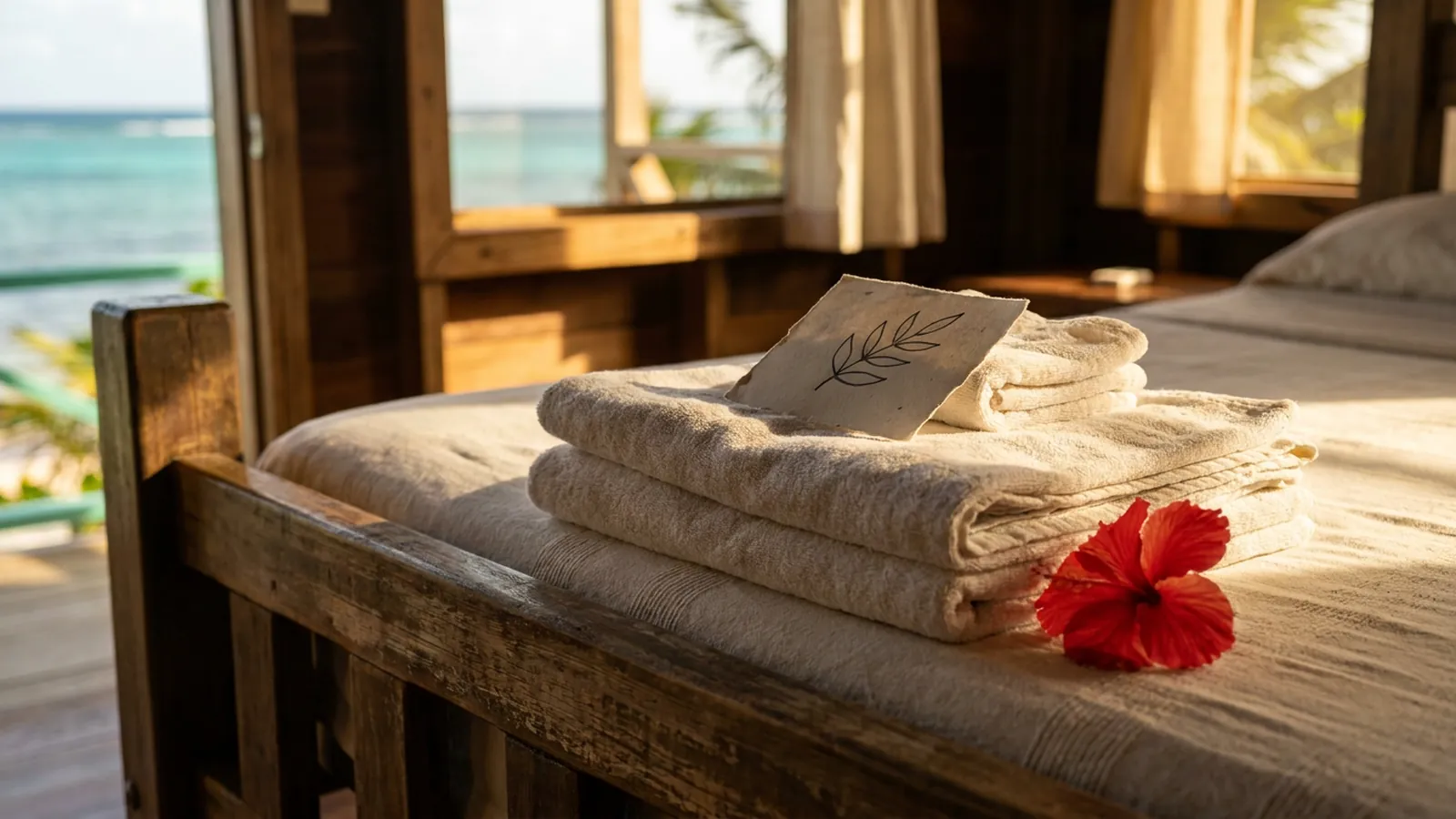
A guest who has already stayed with you knows where the hot water takes a minute to run, which table catches the breeze, and what your cook does with plantain. You don't have to sell them Belize. You don't have to sell them your property either. You only have to remind them that the season is coming round again and that you'd be glad to see them.
That reminder is the cheapest booking you will ever get. The first time they came, an online travel agency may well have brought them, and earned its commission for doing so — typically 15–18% of the nightly rate. Booking.com's standard rate sits around 15%; Expedia's runs 18–22%, and both climb if you join a visibility programme. Fair enough for a guest who found you on a search page in Toronto. Less fair on the second visit, when they already have your name written in the back of a notebook.
The list is built from stays, not from strangers
You don't need to buy anything or run a competition. Every booking that comes through your own site or your front desk leaves a name and an email address behind. Over a season that quietly becomes a list of people who have slept in your beds.
In Direct Belize that list is the subscriber list. It fills up from stays as they happen, and it sits alongside the automatic guest-journey messages — the confirmation, the note before arrival, the arrival-day message, the thank-you after check-out — so the same people who got a civil goodbye in April are the ones you can write to in October.
A few things worth keeping straight from the start:
- Only write to people who actually stayed, or who asked to hear from you.
- Keep one list, not five. Segment it by when they came if you need to.
- Make it easy to leave. Someone who unsubscribes was never going to rebook anyway.
Write it for a season or an event, not for the sake of it
The Belize calendar does half the work for you. High season runs December to April, dry and busy, with Christmas–New Year and Easter the tightest weeks. The green season, June to November, is quieter, wetter and full of travellers watching their money.
So a campaign has a reason to exist. Some that work:
- Late October or early November, before the high-season rush: "We're opening the dive calendar for January. You stayed with us last February."
- A fortnight before a local event — a cycling classic, a festival, a tournament that fills San Ignacio or Placencia — sent to people who came for it last year.
- Mid green season, to the guests who clearly like a quiet house: lower rates, fewer boats, more space on the dock.
- A short note to Easter guests in January, because Easter sells out early and they know it.
One message with one reason beats four messages with none.
Plain beats glossy, and the owner beats the brand
The temptation is to make it look like a brochure. Resist it. The emails that bring people back read like something a person typed: a few short paragraphs, signed by the owner or the manager, maybe one photograph of the garden after the rain.
If it reads like a newsletter from a chain, it gets deleted like one.
Say what has changed since they were here. The new fans in the upstairs rooms. The nephew who now runs the tour boat. The fact that you are holding three rooms back from the booking sites for people on this list. That last one matters — it gives the reader a reason to click through to your own site rather than go hunting on an OTA out of habit.
Keep the link simple and send it to your own booking engine on your own domain, so the booking lands with you and the money is settled at the property, or as a deposit through your own Stripe account.
Nothing goes out until you have read it
Direct Belize will draft a campaign for you — subject line, body, the lot — but it does not send anything on its own. A person opens it, changes the bits that aren't true to the house, cuts the sentence that sounds like marketing, and presses send. Same principle as the price suggestions and the social posts: drafted by the system, approved one at a time by staff.
That matters more than it sounds. The voice of a small guesthouse in Hopkins is not a voice you can automate, and a message that reads as though nobody looked at it will cost you the goodwill you spent a whole stay building. You can see how the campaign tool sits with the rest of the guest messaging on the guest journey feature page.
One note, or a calendar of them
A four-room place in San Ignacio does not need a programme. One note in early November to everyone who stayed the previous high season, written by the owner on a quiet afternoon, is enough. If a handful of rooms come back off that, the season starts in better shape.
A twenty-room hotel in San Pedro works differently. There's a marketing person with their own login and their own permissions, and they run a calendar: November for high season, January for Easter, May for the green-season rates, a one-off whenever a local event lands. Same admin, same list, just more hands on it.
Then you read what came back. The analytics show repeat guests and direct share month by month, next to occupancy, ADR and channel mix. That's the honest scoreboard: did the share of bookings arriving through your own site move after the campaign, and did more of last year's names reappear?
Operators who add a direct booking engine and guest messaging report shifting 15–30% of their bookings from OTAs to direct over time. Results vary by property and nothing is guaranteed — but the past-guest list is the easiest part of that shift, because those people already chose you once.
The booking sites keep doing what they're good at: finding you strangers. Your job is simply to make sure the ones who already came back don't have to pay a middleman to find the door twice. Plans run from small guesthouses up to twenty-five rooms, and setup is usually done within a couple of weeks — details are on the pricing page.
Sources
- 1.Direct Belize — Features — what the guest campaigns, subscriber list and approval steps actually do.
- 2.Direct Belize — Pricing — plan sizes from one room up to twenty-five.
- 3.RateGain — Hotel direct booking vs OTA — typical OTA commission bands.
- 4.RevPAR Genius — Direct bookings vs OTA commission 2026 — Booking.com and Expedia commission ranges, including visibility programmes.
- 5.Heeya — Direct booking case notes — reported shift from OTA to direct after adding a booking engine.
- 6.Belize Travel Insider — When to visit Belize — high and green season dates used for campaign timing.